
Originally Posted On: https://ikippahs.com/blogs/jewish-style/why-camel-and-black-leather-yarmulke-shades-dominate-fall-orders
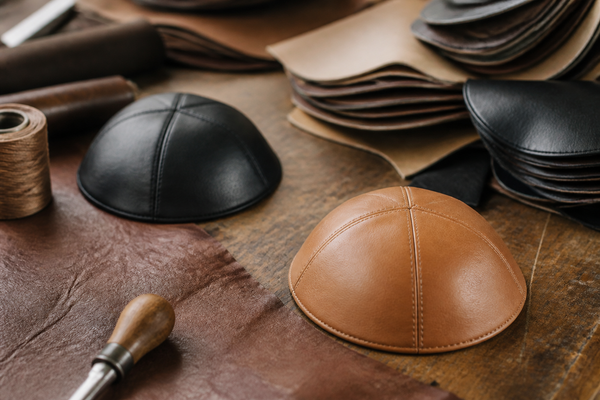
Key Takeaways
-
Camel leather yarmulke orders climb every fall because the shade pairs with coats and blazers in ways black just can't match on its own.
-
Black leather kippah stock stays steady all year but jumps in September and October as wedding and bar mitzvah season picks up.
-
Leather holds its shape better than suede kippah or velvet kippah options, so it's worth the switch if you're tired of reshaping your yarmulke every morning.
-
A stitched rim and clean 6-panel construction tell you more about quality than the price tag does — check those details before you buy.
-
Custom leather yarmulkes take embroidery better than satin kippahs do, making them a solid pick for personalized wedding or bar mitzvah orders.
-
Wipe camel leather down with a dry cloth weekly and keep it away from direct heat — that's really all it takes to get it through winter looking new.
Every September, something predictable happens on our order sheet: camel and black leather yarmulke requests jump, and every other shade gets left behind. Fifteen years of cutting leather taught me why — these two colors just work with what people already own. A navy suit, a brown coat, a denim jacket — camel sits neatly against all of it without fighting for attention.
Black, meanwhile, never really goes out of style. It's the shirt-and-tie of kippah colors — safe, sharp, and it hides wear better than lighter leather ever will. But fall does something specific to demand. Customers who wore suede or velvet all summer start asking for leather because it holds shape in cold, dry air and doesn't crush in a coat pocket. So what's actually driving the shift from spring pastels to these two fall staples? It comes down to fabric behavior, wardrobe logic, and honestly — habit.
What Makes Leather Yarmulke Colors Shift When Fall Hits
A groom calls in September asking for 80 pieces for an October wedding, and he doesn't want black. He wants something that matches his brown suede shoes and the season. That's the moment we see the shift every year — customers moving from spring cottons toward richer Leather Yarmulke tones as weddings and bar mitzvahs move indoors and wardrobes turn heavier.
The Camel Surge: Why This Shade Sells Out First
Camel reads warm without being loud. It pairs with tweed blazers, wool coats, and the deep browns showing up in menswear this season. A Brown kippah in this shade sits closer to designer leather goods than traditional black velvet — and that's exactly the pull. Guys want something that looks put-together next to a watch strap or belt, not something that reads purely religious accessory.
Black Leather's Year-Round Baseline (And Why It Spikes in Fall)
Black never really goes away. It's the default for shul, for work, for weddings where nobody wants to think twice. But fall pushes volume up because event season stacks — weddings, bar mitzvahs, holiday gatherings all land in the same eight weeks. Bulk orders for a leather custom kippah with embroidered initials or a wedding date jump hard here, since guests want something they'll actually keep.
Leather Yarmulke vs Suede Kippah: Picking the Right Material for Cooler Months
Leather wins the fall order battle, plain and simple.
A leather yarmulke holds its shape in cold, damp weather while suede tends to soak up moisture and lose structure after a few wears. Camel and black lead the pack because they pair with everything from a wool coat to a bomber jacket without clashing. Buyers who want something built for daily rotation often order a custom Leather kippah so it matches their exact wardrobe tones, not just the closest shade on a shelf.
How Leather Holds Up Against Velvet and Suede Kippot in Daily Wear
Velvet looks sharp for a wedding but flattens fast with daily handling. Suede kippot feel soft out of the box, yet they show water spots almost immediately. Leather shrugs off both problems. It wipes clean, resists creasing, and doesn't pill the way suede does after a month of pocket storage. For parents comparing options for teenagers, checking leather kippah details for teens before buying helps avoid a return trip six weeks later.
Stitching, Rims, and Panel Style Differences Buyers Notice First
Buyers notice three things right away:
-
Rim contrast — a leather rim on a fabric panel adds visual weight
-
Stitch color — tan or red stitching against black leather stands out fast
-
Panel count — six-panel construction sits flatter than a single rimless piece
Matching a Camel or Black Leather Kippah to Fall Wardrobes
Ever wonder why the same two shades show up in almost every fall order? Camel and black just work with what men already own. A leather yarmulke in either tone sits comfortably next to wool coats, tweed blazers, and darker denim without fighting for attention. Fall dressing leans on layers — coat, shirt, sometimes a vest underneath — and a plain leather crown doesn't compete with any of it. That's the whole appeal, honestly.
Pairing With Coats, Blazers, and Trench Layers
Black leather reads sharp against a trench or a structured blazer, the kind of piece a guy wears to shul and then straight into a work meeting. Camel does something different — it picks up warmth from brown coats and adds contrast against navy without looking mismatched. If you're comparing options before buying, a leather kippah comparison guide can help you weigh stitching, rim style, and panel count before committing to one for daily wear.
Why Camel Reads as Neutral Next to Brown, Navy, and Denim Tones
Camel isn't flashy — that's exactly why it works.
It sits between brown and tan without clashing, and against navy or denim it reads as a neutral rather than a statement color. For guys who want their own initials or a family detail stitched in, a custom Leather Yarmulke keeps that same understated look while adding something personal underneath.
Custom and Personalized Leather Yarmulkes for Fall Simchas
About 7 out of 10 fall custom orders we get now ask for a name or date stitched somewhere on the rim — that's up from maybe 3 out of 10 five years ago. Fall simcha season packs weddings, bar mitzvahs, and bat mitzvahs into a tight few months, and families want their leather kippah order to feel like it belongs to that specific event, not a generic pile from a bin. Camel and black stay the top two shade requests because they photograph well under tent lighting and pair with almost any suit or dress code. A Brown Yarmulke is the frequent third pick for outdoor fall weddings, since it echoes the season's palette without clashing with foliage-toned decor.
Embroidered Names and Logos on Leather vs Satin Kippah
Here's the real difference: embroidery on leather sits raised and holds its shape for years, while a satin kippah tends to pucker slightly at the stitch line after a few washes. Leather also takes gold or silver thread better — it catches light instead of absorbing it.
Bulk Leather Kippot Orders for Weddings and Bar Mitzvahs
Bulk orders of 100 to 300 pieces need at least three weeks lead time for embroidery to get done right, not rushed.
Buying Guide: Choosing Between Designer, Everyday, and Luxury Leather Kippah Options
Most people assume a pricier tag means better leather. That's just not true. A lot of what gets sold as "designer" is really just a standard hide with fancy stitching and a bigger markup. What actually matters is the cut of the leather, the panel construction, and whether the maker bothered to line the inside so it doesn't scratch your scalp after a full day at the office.
What Separates a Designer Kippah From an Everyday Leather Yarmulke
An everyday leather yarmulke usually runs six flat panels stitched tight, built for grip and daily wear without fuss. Designer versions add embossed logos, contrast rims, or two-tone paneling — think camel body with a black rim, or vice versa. If you want something custom, a custom Brown Yarmulke with your initials stamped in gives you that upgraded look without the inflated price some boutique sellers charge. Fit matters too, so check kippah sizes for leather yarmulkes before ordering, since leather doesn't stretch like suede or velvet.
Care Tips That Keep Camel and Black Leather Looking New Through Winter
Camel shows scuffs fast.
Black hides them but dries out in cold air.
-
Wipe weekly with a dry cloth, never soap and water
-
Condition monthly with leather balm, not shoe polish
-
Store flat, away from direct heat vents
Frequently Asked Questions
What's the difference between a leather yarmulke and a leather kippah?
Nothing. Yarmulke and kippah are the same head covering — one's Yiddish, one's Hebrew. In practice, most of my customers use the words interchangeably, and so do I.
Is a leather yarmulke appropriate for everyday wear, or just special occasions?
Both, honestly. A well-made leather kippah holds its shape better than velvet or suede, so it actually handles daily wear — work, shul, errands — better than most fabric options. I'd save the suede kippah for dressier days and let leather be your workhorse.
How do I clean and care for a leather yarmulke?
Wipe it down with a dry cloth after wear — that's it for most weeks. Don't soak it, don't machine wash it, and keep it away from direct heat or it'll crack over time. A little leather conditioner every few months keeps it soft.
Can I get a leather yarmulke custom-made with a name or logo?
Yes — leather takes embroidery and debossing really well, better than most fabrics honestly. A custom kippah with a name works great for a bar mitzvah, and a custom kippah with a logo is a smart pick for corporate or synagogue orders.
What color kippah should I wear to a wedding?
Black and navy leather are the safest bets for a groom or guest — they read as formal without trying too hard. If you want something with more personality, a brown leather or a satin kippah in a color that matches the wedding palette works too. There's no strict rule here; just don't clash with the tux.
Can I order leather yarmulkes in bulk for a wedding or bar mitzvah?
Absolutely, and it's one of the most common requests I get. Bulk kippot for weddings and bar mitzvahs usually come in mixed sizes so they fit kids and adults alike, and embroidered leather holds up better over a long event than printed kippot.
Is leather better than suede or velvet for a kippah?
Depends what you want. Leather is more durable and structured — it won't crush in a bag the way velvet can. Suede feels softer and more casual; velvet reads more traditional and formal. I tell people: pick leather if you want something that lasts years, not just one season.
Are designer or luxury kippahs made from real leather?
Some are, some aren't — a lot of what gets marketed as a designer kippah is actually faux leather dressed up with fancy stitching. Real leather costs more to produce, so if a listing seems suspiciously affordable for genuine leather, ask questions. A quality leather yarmulke should feel supple, not stiff or plasticky.
Can a leather yarmulke be personalized for a bar mitzvah gift?
Definitely, — it's one of the more memorable gifts you can give. Embossed initials, a date, or a short Hebrew phrase on a personalized kippah turns a religious item into a keepsake the kid actually wants to keep. Leather ages well too, so it'll still look sharp years later.
Do leather yarmulkes fit the same way as fabric kippahs?
Mostly, yes — sizing runs the same across materials.
The one thing to know: leather doesn't stretch like knit or suede, so get the fit right the first time. A quick look at a sizing chart before ordering saves you a headache later.
Fifteen years behind a cutting table teaches you one thing: fall buyers know exactly what they want before they click. Camel sells fast because it plays well with everything already hanging in a fall closet — wool coats, denim, brown leather boots. Black holds steady because it never asks permission; it just works, at synagogue, at the office, at a wedding table. A leather yarmulke earns its place through that kind of quiet reliability, not flash.
Suede and velvet have their moment, sure. But leather shrugs off weather, keeps its shape after months of daily wear, and ages into something better-looking, not worse. That's not a small thing when you're buying one piece to last a season or three.
So here's the honest move: don't wait until the good colors thin out. Order camel or black now, while sizing and stitching options are full, and pair it against your fall coat before committing. Browse the current leather collection today and lock in the shade before it's gone.


