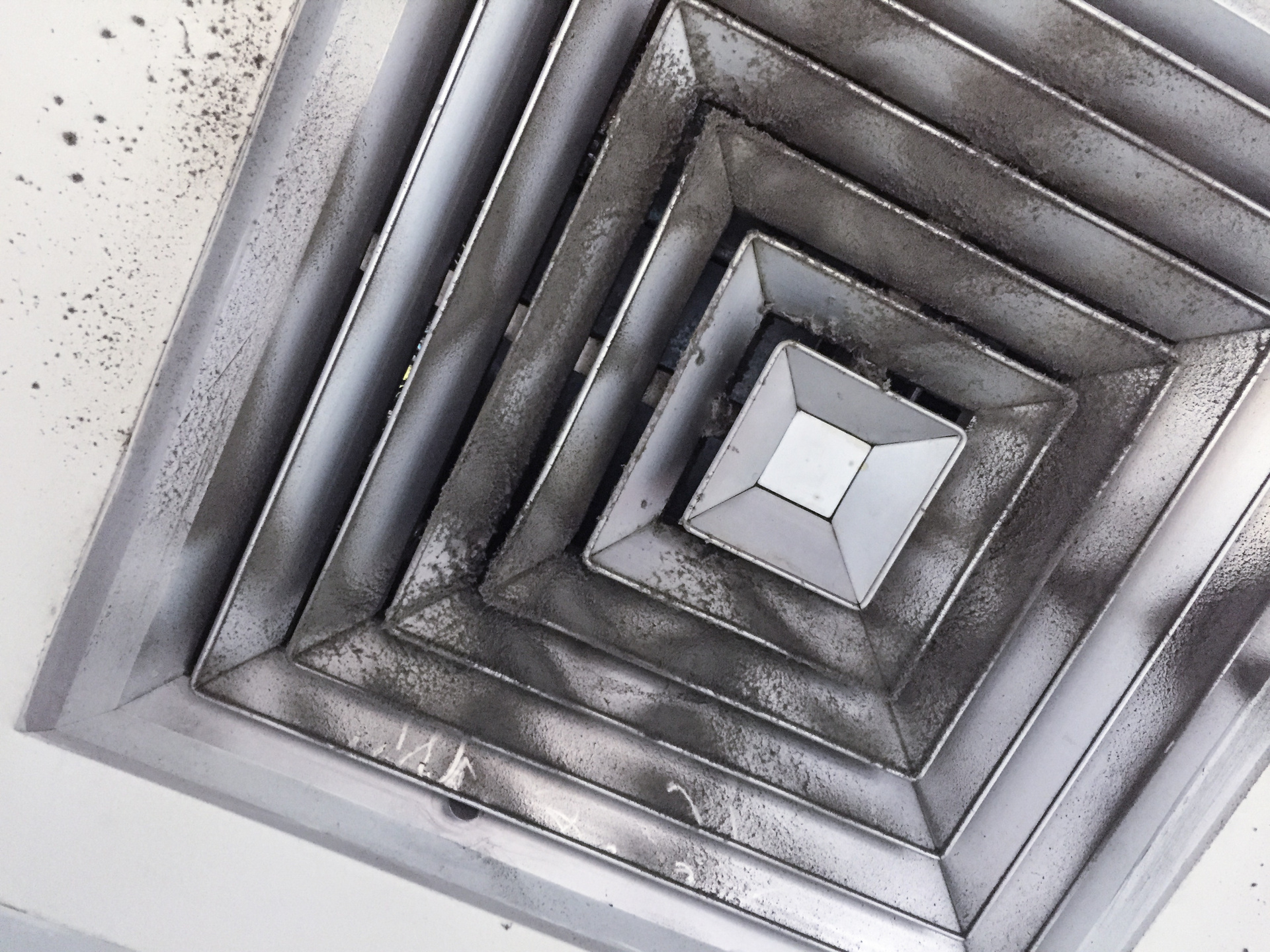
SLIDELL, LA, UNITED STATES, September 28, 2026 /EINPresswire.com/ — In hot and humid regions such as Louisiana and Mississippi, air-conditioning systems operate under conditions that can place significant demands on ductwork. While thermostats, air conditioners, and air handlers often receive most of the attention, duct insulation plays an important role in controlling heat transfer, condensation, energy loss, and indoor comfort.
LOUMIS Air, that services Louisiana and Mississippi, is providing information about why properly insulated ductwork is particularly important in hot and humid climates.
Air-conditioning ducts carry cooled air from HVAC equipment to different areas of a building. In many homes and commercial properties, portions of that ductwork travel through attics, crawl spaces, and other unconditioned areas.
During summer, those spaces can become considerably warmer than the conditioned areas inside a building. The U.S. Department of Energy has reported that when ducts are located in unconditioned spaces in hot and humid climates, energy used to cool air can be lost through conduction across duct surfaces.
Duct insulation creates a thermal barrier between conditioned air inside the duct and warmer surrounding air.
“Ductwork can be easy to overlook because much of it is hidden above ceilings, in attics, or beneath floors,” said Jennifer Lingo with LOUMIS Air. “In a hot and humid climate, insulation around that ductwork serves an important purpose. It helps limit heat transfer and can also help address condensation that may develop when cold duct surfaces are exposed to warm, moisture-heavy air.”
Condensation represents one of the primary concerns associated with ductwork in humid environments.
Cold air traveling through a duct can lower the temperature of the duct surface. When warm, humid air comes into contact with a surface below the surrounding air’s dew point, moisture can condense on that surface.
The result is sometimes described as sweating ductwork.
Small amounts of moisture may initially appear insignificant, but persistent condensation can create problems around insulation, ceilings, framing, and other building materials. The Department of Energy identifies condensation prevention as one reason ducts should be properly insulated and sealed.
The condition of the insulation is also important.
Duct insulation that has become damaged, compressed, separated, wet, or deteriorated may no longer provide the intended thermal protection. Gaps can expose sections of ductwork to surrounding attic or crawl-space conditions.
A vapor barrier can also be important in humid environments. Properly installed insulation with an appropriate vapor-resistant outer layer can help reduce the movement of moisture toward cold duct surfaces. Damaged outer coverings, open seams, and poorly sealed connections can affect that protection.
Insulation and duct sealing address different problems, although both influence HVAC performance.
Insulation primarily limits heat transfer through duct surfaces. Sealing addresses conditioned air escaping through joints, connections, seams, and other openings.
A heavily insulated duct can still lose conditioned air if connections are leaking. Likewise, a tightly sealed duct running through a hot attic can still gain heat if thermal protection is inadequate.
“Insulation and sealing should be considered as related parts of duct performance,” Lingo said. “Insulation helps separate conditioned air from surrounding temperatures, while proper sealing helps keep air inside the duct system. Problems with either can affect how conditioned air reaches different parts of a building.”
Duct location also makes a difference.
Ductwork located entirely within conditioned space generally experiences less severe temperature differences than ducts installed in a vented attic or unconditioned crawl space. Department of Energy building guidance has long identified placement within conditioned space as a method of reducing duct-related energy losses.
Attic ductwork can face particularly demanding conditions in Louisiana and Mississippi.
During warm months, attic temperatures can become substantially higher than indoor temperatures while outdoor humidity remains elevated. Cold supply air traveling through ducts in that environment creates a significant temperature difference across the duct surface.
Insulation helps slow the movement of heat toward the cooled air before that air reaches a supply register.
That can affect comfort as well as HVAC operation.
When conditioned air gains heat while traveling through ductwork, rooms located farther from the air handler may receive air at a different temperature than expected. Combined with duct leakage or airflow problems, inadequate insulation can contribute to uneven temperatures between rooms.
Insulation alone, however, should not automatically be considered the cause of every comfort or moisture problem.
Duct leakage, improper equipment sizing, restricted airflow, damaged ductwork, inadequate ventilation, high indoor humidity, building-envelope problems, drainage issues, and other conditions can produce similar symptoms. An evaluation of the overall HVAC system can help identify the actual source.
Humidity itself presents additional challenges for air-conditioning systems in Gulf Coast climates. Department of Energy research notes that controlling indoor humidity can remain difficult even as building envelopes and cooling equipment become more efficient.
Routine inspection of accessible ductwork can reveal visible problems such as torn insulation, disconnected sections, moisture staining, deteriorated coverings, crushed flexible ducts, or exposed metal.
Older buildings may deserve particular attention because duct systems and insulation materials can change over time as repairs, renovations, equipment replacements, and other work take place.
Duct insulation may remain largely out of sight during everyday HVAC operation, but its function becomes particularly important when cooled air must travel through hot, humid surroundings.
In Louisiana and Mississippi, controlling heat transfer and moisture around ductwork is part of maintaining an HVAC distribution system suited to regional conditions.
The air conditioner may create the cold air, but the duct system still has to deliver it.
Morgan Thomas
Rhino Digital, LLC
+1 504-875-5036
email us here
Visit us on social media:
Facebook
Legal Disclaimer:
EIN Presswire provides this news content “as is” without warranty of any kind. We do not accept any responsibility or liability
for the accuracy, content, images, videos, licenses, completeness, legality, or reliability of the information contained in this
article. If you have any complaints or copyright issues related to this article, kindly contact the author above.

Media gallery