CHONGQING, CHINA, October 12, 2026 /EINPresswire.com/ —
As demand for alternative transportation fuels and integrated energy infrastructure continues to develop, Endurance Energy Equipment Co., Ltd. is serving the natural gas and hydrogen sectors with equipment designed for fuel production, storage, transportation, and refueling. The company provides engineering solutions for compressed natural gas (CNG) stations, liquefied natural gas (LNG) facilities, and hydrogen refueling infrastructure. Its product portfolio includes complete station systems, dispensers, compressors, storage equipment, and related components. With additional offerings such as LNG Station and Hydrogen Station solutions, the company reflects a broader industry trend toward integrated energy equipment that can support different fuel technologies and evolving infrastructure requirements.
The Growing Importance of CNG Refueling Stations
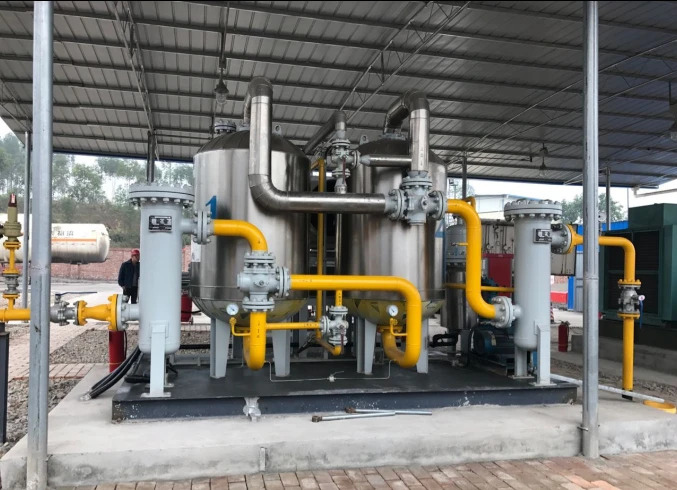
Compressed natural gas has been used as a transportation fuel in many markets, particularly for buses, taxis, commercial fleets, and other vehicles that operate along established routes. Compared with conventional liquid fuels, CNG requires specialized high-pressure storage and dispensing equipment. A reliable refueling station must therefore combine gas compression, storage, metering, control, and safety systems within a coordinated installation.
A typical CNG station receives natural gas from a pipeline or another supply source. The gas is treated when necessary, compressed to the required pressure, stored or managed through a suitable system, and delivered to vehicles through dispensers. The exact configuration depends on the incoming gas pressure, the number and type of vehicles served, the required dispensing rate, and local regulations.
Station operators must consider more than the initial equipment cost. Gas demand patterns, compressor efficiency, maintenance schedules, available space, electricity supply, and vehicle turnaround time all affect operational performance. Stations serving heavy-duty fleets may require higher throughput than facilities designed for smaller numbers of passenger vehicles.
For equipment manufacturers, this creates demand for systems that can be configured around project-specific requirements. Buyers increasingly look for suppliers able to coordinate major components, provide technical documentation, and support installation and commissioning.
Endurance Energy Equipment Co., Ltd. operates in this market by supplying CNG station equipment and related energy infrastructure solutions. Its experience in gas compression, dispensing, and integrated station systems provides a foundation for projects serving commercial transportation and other natural gas applications.
Endurance Energy Equipment Co., Ltd. and Its Industry Focus
Endurance Energy Equipment Co., Ltd. focuses on core equipment and integrated solutions for natural gas and hydrogen energy applications. According to the company’s published information, its business covers key stages of the energy value chain, including production, storage, transportation, refueling, and utilization.
Its portfolio includes CNG stations, LNG stations, hydrogen stations, gas processing equipment, dispensers, compressors, storage tanks, and control systems. This range allows customers to assess equipment within a broader project framework rather than treating every component as an isolated purchase.
Integrated engineering is particularly important for fuel infrastructure. Compressors, storage systems, dispensers, piping, instrumentation, and control equipment must operate together according to the station’s design pressure, flow requirements, and safety provisions. Inadequate coordination can lead to performance problems, unnecessary downtime, or costly modifications during installation.
Endurance Energy Equipment Co., Ltd. also describes its services as extending to engineering, equipment integration, automation, installation guidance, and lifecycle support. For international customers, these capabilities may be relevant when planning projects that require coordination between equipment supply, local construction teams, and regulatory authorities.
CNG Station Systems and Technical Considerations
CNG station design begins with an assessment of the gas supply and expected demand. Engineers need to establish incoming pressure, daily consumption, peak-hour demand, vehicle types, and required dispensing speeds. These parameters help determine compressor capacity, storage arrangements, dispenser configuration, and the overall station layout.
Compressors are central to the process because natural gas often needs to be raised to a pressure suitable for vehicle storage. The compressor type and capacity depend on the incoming gas conditions and the required output. Cooling, filtration, moisture management, and suitable piping arrangements also contribute to stable operation.
Storage systems can help manage variations between gas supply and dispensing demand. The appropriate configuration depends on the station’s operating model, pressure requirements, available land, and applicable standards. Dispensers then measure and deliver gas to vehicles, with flow measurement and control systems supporting accurate transactions and operational monitoring.
Endurance Energy Equipment Co., Ltd. supplies equipment for CNG refueling applications, including dispensers and compressor-related systems. Its published product range includes high-flow dispensers and equipment for daughter stations, which receive compressed natural gas transported from another location rather than directly from a high-pressure pipeline supply.
For operators, equipment selection should account for the types of vehicles being served. A station supplying buses or heavy commercial vehicles may have different flow requirements from one serving passenger cars. The number of dispensing points, refueling schedule, and expected daily throughput should be considered during the design stage.
Safety is fundamental to CNG station operation. High-pressure gas systems require appropriate pressure protection, leak detection, emergency shutdown arrangements, ventilation, electrical equipment selection, and clearly defined operating procedures. Equipment must be selected and installed according to relevant codes and local authority requirements. Inspection, maintenance, and operator training are equally important after commissioning.
LNG Station: Supporting Storage and Fuel Distribution
Liquefied natural gas is natural gas cooled to a cryogenic temperature until it becomes liquid. Liquefaction substantially reduces its volume, making LNG useful for storage and transportation where pipeline delivery is unavailable or impractical. It is used in several industrial and energy applications and can also serve as a fuel for certain heavy-duty vehicles and ships.
An LNG Station typically includes a storage tank, unloading arrangements, cryogenic pumps, dispensers, piping, valves, instrumentation, and safety systems. Depending on the application, additional equipment may be needed for pressure management, vapor handling, or gasification.
Because LNG is stored at very low temperatures, equipment must be designed for cryogenic service. Material selection, insulation, pressure control, and the management of boil-off gas are important considerations. The station layout must also account for separation distances, emergency access, ventilation, and applicable fire and process safety requirements.
Endurance Energy Equipment Co., Ltd. includes LNG Station solutions in its product portfolio. Its published offerings cover LNG storage and dispensing equipment, integrated refueling systems, and containerized configurations. Integrated skid-mounted or containerized systems may help simplify transportation and on-site installation, depending on the project design and site requirements.
For fleet operators and infrastructure developers, LNG stations can offer a practical option when vehicles or equipment are designed for LNG fuel and sufficient demand exists to support the investment. Buyers should evaluate fuel supply logistics, storage capacity, expected daily consumption, maintenance requirements, and the availability of trained personnel before selecting a system.
LNG infrastructure also requires careful coordination between equipment suppliers, construction contractors, operators, and local regulators. A well-planned station must integrate storage, unloading, pumping, dispensing, monitoring, and emergency systems into a coherent operating arrangement.
Hydrogen Station: Preparing for Emerging Fuel Infrastructure
Hydrogen refueling infrastructure is developing alongside efforts to expand the use of hydrogen in transportation and selected industrial applications. Hydrogen fuel cell vehicles require dedicated refueling systems that manage high-pressure gas delivery, temperature conditions, metering, and safety controls.
A Hydrogen Station may include hydrogen storage, compressors, dispensers, cooling systems, control panels, and equipment for receiving or producing hydrogen. Its configuration depends on the hydrogen supply method, storage pressure, vehicle requirements, expected throughput, and applicable standards.
Hydrogen infrastructure presents technical challenges because hydrogen has different physical properties from natural gas. Equipment materials, seals, valves, pressure systems, leak detection, and ventilation must be suitable for hydrogen service. Refueling systems also need to manage temperature and pressure conditions according to the intended vehicle and dispensing protocol.
Endurance Energy Equipment Co., Ltd. identifies hydrogen energy equipment as part of its wider business. Its published portfolio includes hydrogen refueling dispensers, compression equipment, and integrated station solutions. Such systems are intended to support customers evaluating hydrogen supply and refueling infrastructure.
For project developers, early engineering is essential. The source of hydrogen, delivery method, purity requirements, storage strategy, target vehicle fleet, and future expansion plans should all be established before final equipment selection. Local safety regulations and permitting requirements must also be addressed during planning.
Hydrogen stations are not interchangeable with CNG or LNG stations. Although all involve specialized fuel infrastructure, their operating pressures, storage methods, equipment materials, and safety requirements differ. A supplier serving multiple energy technologies must configure each system according to the relevant engineering standards and intended use.
Manufacturing Quality and Lifecycle Support
Energy equipment must perform reliably under demanding operating conditions. Manufacturing quality, component selection, inspection procedures, and testing can influence the durability and performance of compressors, dispensers, pressure vessels, valves, and control systems.
Endurance Energy Equipment Co., Ltd. reports that it has developed manufacturing and engineering capabilities for natural gas and hydrogen equipment. Its company information lists certifications and qualifications associated with quality management, environmental management, occupational health and safety, and selected international equipment standards. Buyers should verify the specific certificates and their applicability to the equipment and destination market under consideration.
Maintenance planning is another major factor in station performance. Compressors require scheduled servicing, while dispensers and metering systems need inspection and calibration according to applicable requirements. Storage vessels, cryogenic equipment, piping, and safety devices also require appropriate checks.
For international projects, access to technical documentation, replacement parts, training, and after-sales assistance can help reduce operational uncertainty. Customers should clarify service arrangements, commissioning responsibilities, warranty conditions, and the availability of local support before entering into a supply agreement.
Conclusion
CNG stations remain an important part of natural gas transportation infrastructure in markets where compressed natural gas is used by commercial and passenger vehicles. Their successful operation depends on suitable compressors, storage arrangements, dispensers, controls, and comprehensive safety measures.
Endurance Energy Equipment Co., Ltd. serves this sector through CNG station equipment and broader energy infrastructure solutions. Its LNG Station and Hydrogen Station offerings extend its portfolio into liquefied natural gas and hydrogen refueling applications, each with distinct technical and operational requirements.
For buyers, choosing a CNG station manufacturer involves assessing expected demand, gas supply conditions, station configuration, applicable standards, maintenance needs, and lifecycle support. As energy infrastructure continues to diversify, suppliers that understand the engineering requirements of multiple fuel systems can help customers plan equipment investments around specific operating objectives.
About Endurance Energy Equipment Co., Ltd.
Endurance Energy Equipment Co., Ltd. is a Chinese energy equipment supplier specializing in natural gas and hydrogen infrastructure. Its product portfolio includes CNG stations, LNG Station systems, Hydrogen Station equipment, compressors, dispensers, storage tanks, gas processing systems, and related components. The company provides integrated equipment solutions for energy production, storage, transportation, and refueling, serving customers in China and international markets. For further information about its products and engineering services, visit www.endurance-energy.com.
Address: No. 5 Baoyun Road, Longxing Town, Liangjiang New District, Chongqing, China
Official Website: https://www.endurance-energy.com/
Li David
Endurance Energy Equipment Co., Ltd.
export@naidenz.com
Legal Disclaimer:
EIN Presswire provides this news content “as is” without warranty of any kind. We do not accept any responsibility or liability
for the accuracy, content, images, videos, licenses, completeness, legality, or reliability of the information contained in this
article. If you have any complaints or copyright issues related to this article, kindly contact the author above.

Media gallery